
Luxury vs. Budget Kenya Safaris: What’s Worth the Splurge?
Understanding the Cost Spectrum of Kenya Safaris
Planning a safari in Kenya can feel a little like shopping for a car. You start browsing and quickly realize the price range is… wide. Very wide. On one end, you’ve got ultra-luxury lodges charging over $1,500 per person per night. On the other, budget group safaris can cost as little as $150–$300 per day. So the big question becomes: what are you really paying for—and is the splurge actually worth it?
Kenya is one of Africa’s most established safari destinations, with decades of tourism infrastructure behind it. That means there’s something for everyone, whether you’re a backpacker chasing adventure or a honeymooner dreaming of champagne in the bush. But price differences aren’t random. They reflect variations in accommodation, vehicle type, guide expertise, park access, service levels, and overall exclusivity.
Here’s the key thing to understand: both luxury and budget safaris can deliver incredible wildlife experiences. A lion doesn’t care whether you paid $200 or $2,000 to see it. The real difference lies in how you experience the journey—comfort, privacy, flexibility, and personal touches.
Think of it this way. A safari is like watching a live orchestra. Luxury seats put you front row with perfect acoustics and a private usher. Budget seats still let you hear the music and feel the emotion—but you might share the row and sit a little farther back. The melody is the same; the setting changes.
Before deciding where to spend and where to save, you need to understand what truly separates luxury from budget in Kenya’s safari world. Let’s break it down.
What Defines a Luxury Safari?
A luxury Kenya safari is all about exclusivity, personalization, and comfort woven seamlessly into the wild. It doesn’t mean fenced resorts or artificial experiences. In fact, the best luxury camps are deeply immersive—but with refined touches that elevate everything.
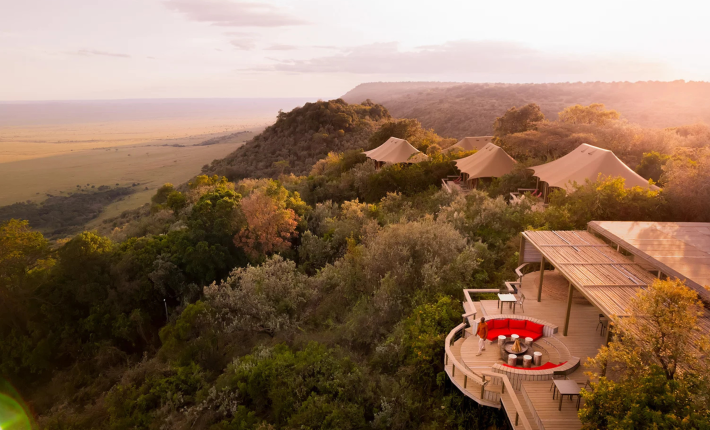
Accommodation is often the first major distinction. Luxury safari lodges and tented camps feature spacious suites, king-sized beds, en-suite bathrooms with hot running water, and sometimes even private plunge pools overlooking the savannah. Some high-end camps in the Maasai Mara or Amboseli offer outdoor showers where you can watch elephants wander past while you rinse off the day’s dust. It’s wilderness, yes—but curated wilderness.
Another defining feature is the private game drive experience. Luxury packages typically include a dedicated 4×4 vehicle and professional guide just for you. That means no rushing, no negotiating viewpoints with strangers, and no fixed schedules. Want to spend two hours observing a leopard in a tree? You can. Prefer a sunrise drive followed by a leisurely brunch? It’s your call.
Many high-end safaris also operate within private conservancies adjacent to major parks like the Maasai Mara. These conservancies limit the number of vehicles allowed, reducing crowding significantly. Off-road driving is often permitted here, which increases your chances of getting closer to wildlife without disturbing it.
Then there’s the service. Staff-to-guest ratios in luxury camps are often nearly one-to-one. You’ll be greeted by name, your favorite drink remembered, your dietary preferences accommodated without fuss. It feels effortless—and that’s the point.
Luxury safaris aren’t just about comfort. They’re about control, privacy, and seamless immersion. You’re not worrying about logistics. You’re simply present.
What Defines a Budget Safari?
A budget Kenya safari strips things back to the essentials—but that doesn’t mean sacrificing adventure. In fact, for many travelers, budget safaris feel more raw and communal, which can be part of their charm.
Accommodation typically includes simple tented camps or basic lodges. You’ll still have a proper bed and access to showers, but amenities are more modest. Think functional rather than indulgent. Hot water might be limited to certain hours. Wi-Fi may be patchy or nonexistent. Electricity could rely on generators that switch off at night. It’s less polished—but arguably more unplugged.
Game drives on budget safaris usually operate in shared vehicles, often with six to eight guests. This reduces costs significantly. The downside? Less flexibility. Drives follow a general schedule, and wildlife sightings are experienced as a group. If someone wants to move on while you’re still mesmerized by a herd of giraffes, compromise becomes necessary.
Most budget safaris focus on major national parks rather than private conservancies. Parks like the Maasai Mara, Lake Nakuru, and Amboseli are spectacular—but can become busier during peak seasons. You might find multiple vehicles gathered around a lion sighting. It doesn’t ruin the moment, but it changes the atmosphere.
Meals are typically buffet-style or set menus. They’re hearty and satisfying, though not gourmet. Guides are often highly knowledgeable—many trained through the same certification systems as luxury guides. This is important: wildlife quality doesn’t depend on price tag.
Budget safaris work particularly well for adventurous travelers, students, families, or anyone prioritizing wildlife over frills. You trade some comfort and privacy for affordability and social energy. And for many, that’s a perfectly worthwhile exchange.
Accommodation Showdown – Tented Camps to Five-Star Lodges
Where you sleep on safari shapes your overall experience more than you might expect. After long, dusty game drives, your accommodation becomes your sanctuary. So what exactly are you gaining—or giving up—when choosing between luxury and budget?
Safari accommodations in Kenya range from public campsites to ultra-luxury eco-lodges that rival five-star city hotels. The structure might look like a tent from the outside, but don’t be fooled. In high-end camps, “tent” often means canvas walls hiding hardwood floors, antique furnishings, rainfall showers, and expansive decks overlooking wildlife corridors.
Budget camps, by contrast, embrace simplicity. You might hear more of the bush at night—the rustle of wind, distant hyenas calling, insects humming close to your canvas walls. There’s something beautifully grounding about that. You feel closer to nature, even if the mattress isn’t quite as plush.
But comfort isn’t just about bedding. It’s about temperature control, noise insulation, bathroom privacy, and small details like quality linens or mosquito-proofing. Luxury camps invest heavily in these elements to ensure seamless relaxation.
At the end of the day, accommodation boils down to one question: How much comfort do you need to fully enjoy the wild? Some travelers crave indulgence after dusty adventures. Others thrive on simplicity.
And that’s where the real comparison begins.
Inside a Luxury Safari Lodge Experience
Staying in a luxury safari lodge feels like stepping into a carefully curated dream. From the moment you arrive—often greeted with chilled towels and fresh juice—there’s an immediate sense that every detail has been thoughtfully arranged.
Suites are usually spaced far apart for privacy. You won’t hear your neighbors. Large decks overlook rivers or plains where animals wander freely. Some properties in private Maasai Mara conservancies even offer infinity pools facing the savannah. Imagine floating in cool water while zebras graze in the distance. It’s surreal.
Bathrooms often include soaking tubs, double vanities, and eco-friendly luxury toiletries. Housekeeping operates discreetly, sometimes tidying your room while you’re at dinner. Turndown service might include hot water bottles slipped beneath your sheets on chilly nights.
Dining is elevated too. Multi-course meals, curated wine lists, bush breakfasts set up under acacia trees—it all adds layers of indulgence. You’re not just staying near wildlife; you’re experiencing it through a lens of refinement.
Luxury lodges also prioritize sustainability. Solar power, community partnerships, and conservation fees often form part of the package. So while you’re enjoying comfort, you’re also contributing to preservation efforts.
Is it extravagant? Yes. Is it unforgettable? Absolutely.
What to Expect from Budget Camps and Lodges
Budget safari camps in Kenya don’t try to compete with five-star luxury—and that’s actually their strength. They focus on practicality, access to wildlife, and giving you a solid, comfortable base without inflating the price tag. When you arrive at a well-run budget lodge near the Maasai Mara or Amboseli, you’ll likely find permanent tents or simple stone cottages with real beds, clean linens, mosquito nets, and private bathrooms. It’s not glamorous, but it’s far from roughing it.
Electricity may run on a schedule, often powered by generators that switch off late at night. Showers might rely on solar-heated water or bucket systems, which honestly adds a bit of adventure to the experience. You become more aware of your surroundings—the cool night air, the distant sounds of wildlife, the simplicity of being unplugged from constant notifications.
Meals are usually served buffet-style or as set menus. Think hearty stews, grilled meats, fresh vegetables, rice, chapati, and tropical fruit. It’s filling and satisfying after long game drives. You may gather around communal dining tables, sharing stories with fellow travelers from around the world. There’s a social energy that luxury camps, with their private tables and personalized service, don’t always replicate.
The biggest advantage? Cost savings that allow you to extend your stay. Instead of splurging on three ultra-luxury nights, you might afford seven or eight nights on a budget itinerary. That extra time in the bush significantly increases your wildlife sightings and overall immersion. Because here’s the truth: animals don’t care how fancy your tent is.
Game Drives and Wildlife Access
No matter where you sleep, safari ultimately revolves around one thing: wildlife. The structure and exclusivity of your game drives can dramatically shape how you experience it.
On luxury safaris, vehicles typically seat four to six guests maximum, often fewer. In many cases, it’s just you and your travel companion with a private guide. The vehicle itself is usually a customized 4×4 Land Cruiser with large windows, charging ports, photography supports, and cooler boxes stocked with drinks. That level of comfort and flexibility changes everything. If a cheetah starts stalking prey, your guide can reposition the vehicle for the best view without negotiating with other guests.
Budget safaris, on the other hand, often use shared vans or Land Cruisers with pop-up roofs. You’ll likely share with six to eight travelers. While this reduces flexibility, it also creates a shared sense of discovery. When someone spots a leopard hidden in tall grass, excitement spreads through the vehicle instantly. It feels communal and spontaneous.
Access also matters. Luxury camps located within private conservancies allow off-road driving and night safaris—activities restricted in most national parks. Off-roading means you can follow predators more closely without breaking rules. Night drives reveal an entirely different world: aardvarks, bush babies, hyenas on the hunt. These experiences often justify the higher price tag for serious wildlife enthusiasts.
In public parks like the Maasai Mara National Reserve, both luxury and budget travelers share the same core wildlife territory. During peak migration season, you might find multiple vehicles gathered around river crossings. It’s thrilling, but not always intimate.
The takeaway? Wildlife quality remains exceptional across price points. What changes is proximity, privacy, and flexibility.
Private Guides vs. Shared Safari Vehicles
Having a private guide is like having your own wildlife professor on standby. You dictate the pace. You linger where curiosity pulls you. You ask endless questions without worrying about slowing others down. Professional guides in Kenya are highly trained, often certified through the Kenya Professional Safari Guides Association (KPSGA), and many have decades of field experience.
In a shared vehicle, the guide balances group interests. Drives follow a general schedule, and time at sightings may be shorter. That said, group energy can enhance the experience. Collective gasps when a lion roars or a herd of elephants crosses the road create powerful shared memories.
Private guiding also benefits photographers. Positioning matters—light angle, background, animal movement. With a private vehicle, adjustments are easy. In shared setups, space can feel tighter, especially if everyone is reaching for a camera at once.
If wildlife photography or deep educational immersion is your goal, private guides are often worth the splurge. If you’re content soaking in the spectacle and sharing the moment, shared vehicles deliver excellent value.
Exclusive Conservancies vs. National Parks
Private conservancies bordering parks like the Maasai Mara have become a major draw for luxury safaris. These conservancies limit visitor numbers, reducing congestion dramatically. Fewer vehicles mean quieter sightings and a more serene atmosphere. You’re not jockeying for space near a lion pride; you’re observing in peace.
Off-road driving is usually permitted, which allows guides to follow animals responsibly without being confined to designated tracks. Night drives and guided bush walks add further depth.
National parks and reserves, by contrast, operate under stricter regulations. Off-roading is prohibited, and night drives are generally not allowed. During peak migration, vehicle clusters at river crossings can reach dozens at a time.
Does this ruin the experience? Not necessarily. Witnessing thousands of wildebeest plunge into a crocodile-filled river is electrifying no matter how many vehicles are nearby. But if privacy ranks high on your priority list, conservancies often justify their higher rates.
Dining, Comfort, and Personalized Service
Food and service might seem secondary to wildlife, but they shape your overall satisfaction more than you expect. After hours bouncing along dusty roads, a comfortable meal and attentive staff can feel transformative.
Luxury safaris often feature multi-course dinners, fresh-baked breads, locally sourced produce, and wine pairings. Some camps arrange bush breakfasts in scenic clearings or sundowners overlooking sweeping plains. Service feels intuitive—your coffee preference remembered, your dietary restrictions anticipated.
Budget camps offer simpler fare, usually buffet-style. Meals are nourishing and flavorful, but not gourmet. Service is friendly but less personalized, as staff manage larger guest numbers.
Comfort extends beyond food. Luxury camps provide spa treatments, plunge pools, curated libraries, and high-thread-count linens. Budget camps prioritize functionality and reliability.
The question isn’t whether one is better—it’s how much those details matter to you personally.
When Is Luxury Worth the Splurge?
There are moments when going all-in makes sense. Honeymoons, milestone birthdays, anniversaries, or lifelong bucket-list trips often justify higher spending. Privacy and personalized pacing create an atmosphere that feels intimate and once-in-a-lifetime.
Wildlife photographers also benefit from private vehicles and conservancy access. The ability to linger, reposition, and explore off-road significantly enhances image quality.
If your time in Kenya is limited—say three or four nights—luxury maximizes every moment. Seamless transfers, premium locations, and expert guides reduce logistical stress.
When Budget Safaris Make Perfect Sense
If it’s your first safari, budget options offer excellent introduction without overwhelming costs. You still experience iconic parks and extraordinary wildlife.
Longer trips also benefit from budget accommodations. Spending 10–14 days across multiple parks becomes far more affordable. More days mean greater wildlife diversity and deeper immersion.
Adventurous travelers who value authenticity over amenities often prefer the simplicity and social atmosphere of budget camps.
How to Decide: Finding the Right Balance
Here’s the secret many seasoned travelers use: mix both. Start with a few nights in a luxury conservancy for privacy and premium wildlife access. Then shift to a well-rated mid-range or budget lodge to extend your adventure without draining your budget.
Consider what truly enhances your joy. Is it gourmet dining and plunge pools? Or is it waking before dawn, sipping instant coffee, and chasing elephant tracks regardless of where you sleep?
Kenya delivers extraordinary wildlife at every level. Your perfect safari isn’t defined by price—it’s defined by priorities.
Conclusion
Luxury and budget Kenya safaris both unlock access to one of the most breathtaking wildlife destinations on Earth. The lions roar the same. The elephants move with the same quiet power. The sunsets burn just as brightly.
Luxury buys privacy, personalization, and seamless comfort. Budget buys time, social energy, and accessibility. Neither choice is inherently superior—it simply depends on what kind of traveler you are and what memories you want to create.
At the heart of it all, safari isn’t about thread counts or buffet spreads. It’s about connection—to nature, to wildlife, and sometimes to strangers who become friends around a campfire. Decide where comfort matters most, where adventure excites you most, and let that guide your investment.
FAQs
1. How much does a luxury Kenya safari typically cost?
Luxury safaris often range from $800 to $1,500+ per person per night depending on season and location.
2. Are budget safaris safe in Kenya?
Yes, reputable operators maintain safety standards across all price levels.
3. Do budget safaris reduce wildlife viewing quality?
No. Wildlife access in national parks is the same; differences lie in comfort and flexibility.
4. Is it possible to combine luxury and budget accommodations?
Absolutely. Many travelers mix styles to balance cost and experience.
5. What’s the best park for a premium safari experience?
Private conservancies in the Maasai Mara are widely considered top-tier for exclusivity and wildlife density.


